How Oral Bacteria Influence the Need for Periodontal Treatment
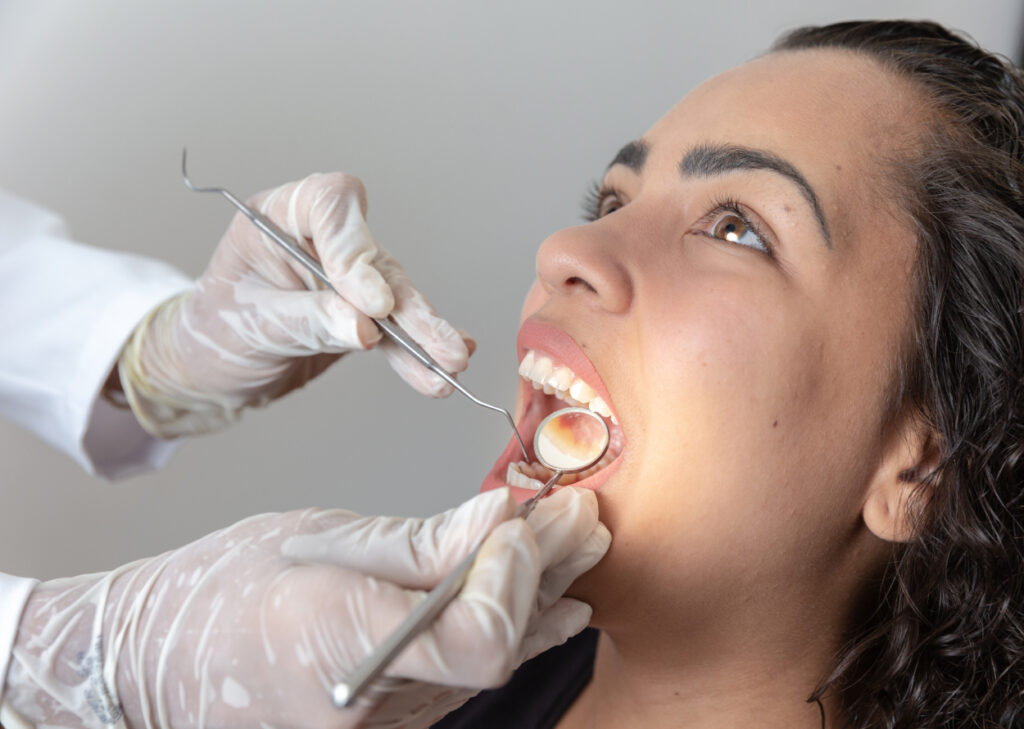
The need for periodontal treatment rarely appears out of nowhere. In most cases, it develops quietly, shaped by the behavior of oral bacteria over months or years. Patients often notice the visible signs late, bleeding when brushing, tenderness at the gumline, persistent bad breath, or teeth that seem slightly longer than before. By the time those changes become obvious, the bacterial community around the teeth has often shifted in ways that the body can no longer keep in check.
That point matters because gums do not become diseased simply because bacteria are present. Every mouth contains bacteria. A healthy mouth depends on balance. Trouble starts when that balance tips, when bacterial biofilm matures, thickens, and moves below the gumline, and when the body’s immune response begins damaging the very tissues it is trying to protect. Periodontal treatment becomes necessary when that process causes inflammation, attachment loss, bone changes, or deep periodontal pockets that cannot be managed with routine home care alone.
Understanding the role of oral bacteria helps patients see why periodontal disease is not just “dirty teeth” and why treatment can range from a thorough cleaning to more involved therapy. It also explains why two people with similar brushing habits can have very different outcomes. The bacteria matter, but so does the environment they live in, the host response, and the daily conditions that either encourage stability or fuel disease.
The mouth is home to a complex bacterial ecosystem
The mouth is one of the most densely colonized parts of the body. Hundreds of bacterial species may be present, though not all are active or harmful at the same time. On healthy teeth and gums, these organisms exist in a relatively stable relationship with saliva, oral tissues, diet, and the immune system. That balance can hold for years.
The problem begins with dental plaque, more accurately described as biofilm. Biofilm is not just debris sitting on enamel. It is an organized microbial community embedded in a protective matrix. Once it forms on the tooth surface, especially near the gumline, it becomes harder to remove than many patients assume. If it is left undisturbed, the bacterial population changes. Early colonizers make the surface hospitable for more aggressive organisms. Oxygen levels drop in deeper areas, and anaerobic bacteria begin to thrive.
That shift is clinically important. Healthy gums may coexist with a relatively mild biofilm for a time. A mature, undisturbed biofilm is different. It can trigger chronic inflammation and eventually alter the contour of the gum attachment. Once a periodontal pocket forms, the environment becomes even more favorable for disease-associated bacteria. It is one of those frustrating cycles seen often in practice, bacteria deepen the pocket, and the deepened pocket protects the bacteria.
It is not just the presence of bacteria, it is the type and behavior
Patients sometimes hear that “bacteria cause gum disease” and assume the solution is a stronger mouthwash. The reality is more specific. Certain bacterial species and bacterial complexes are more strongly associated with periodontitis than others. Organisms such as Porphyromonas gingivalis, Tannerella forsythia, and Treponema denticola are frequently discussed because they are linked to more destructive periodontal disease. They are not the whole story, but they illustrate the point that pathogenicity matters.
These bacteria are capable of far more than simply sitting on a tooth. They produce enzymes, toxins, and inflammatory signals that disturb the local tissue environment. Some interfere with normal immune function. Others help neighboring bacteria survive. A mature pathogenic biofilm behaves less like random buildup and more like a cooperative colony with shared advantages.
In day to day clinical care, this is why two patients can present differently even when both say, honestly, that they brush twice a day. One may have superficial inflammation that resolves with improved hygiene and a prophylaxis. Another may have deep pockets, recession, and early mobility despite similar habits. When the bacterial profile becomes more virulent, and when the patient’s immune response adds fuel to the process, periodontal treatment stops being optional.
The immune system plays a decisive role
Periodontal destruction is not caused by bacteria alone. Much of the tissue breakdown occurs because the immune response, while trying to control infection, becomes chronic and damaging. The gums redden because blood flow increases. They bleed because inflamed tissue becomes fragile. Collagen breaks down. Bone resorption follows in susceptible areas.
That host response explains why periodontitis can look severe in one person and relatively mild in another. Genetics, smoking, diabetes, medications, hormonal changes, stress, and systemic inflammatory conditions all influence how the body reacts to bacterial challenge. In practical terms, the same amount of plaque can produce a very different outcome depending on the person carrying it.
A pattern seen often in adults with poorly controlled diabetes illustrates this clearly. Their gums may remain inflamed for longer, healing can be slower, and pocket depths may be more resistant to improvement. The bacteria are still the local trigger, but the biologic terrain is less forgiving. By contrast, some younger patients with excellent immune resilience may show visible gingivitis for a period without measurable attachment loss. The line between reversible inflammation and true periodontitis often depends on this interaction between microbes and host.
Gingivitis and periodontitis are not the same condition
This distinction gets blurred in casual conversation, but it matters. Gingivitis is inflammation of the gums without loss of supporting bone or connective attachment. It is common and usually reversible. Periodontitis involves deeper destruction. Once attachment and bone are lost, the process can be controlled, but the body does not simply regrow all lost support on its own.
The bacterial burden in gingivitis can still be substantial, yet the disease has not crossed into structural damage. Periodontal treatment at this stage may be relatively conservative, usually centered on professional cleaning and improved plaque control at home. Once periodontitis develops, treatment becomes more involved because the aim is no longer just reducing surface inflammation. It is halting tissue breakdown, reducing pocket depths, stabilizing attachment levels, and preserving teeth for the long term.
That is why early bleeding should never be dismissed as normal. Healthy gums do not typically bleed during routine brushing or flossing. Patients often stop flossing because the gums bleed, when the opposite message is usually true. Bleeding is often a sign that bacteria have been left undisturbed long enough to inflame the tissue.
How biofilm turns into a treatment issue
The progression from bacterial accumulation to clinical need for periodontal treatment tends to follow a familiar sequence. Soft plaque forms first. If not removed thoroughly, minerals from saliva help it harden into calculus, also called tartar. Calculus itself is not the disease, but its rough surface makes plaque retention easier. Bacteria then colonize that roughness, including under the gumline where a toothbrush cannot reach effectively.
At that point, home care alone becomes insufficient. Even highly motivated patients cannot brush away hardened deposits below the gum margin. Subgingival biofilm can remain active and continue stimulating inflammation. The gums swell, pocket measurements deepen, and bleeding on probing becomes more common. In more advanced cases, the clinician may detect recession, furcation involvement between molar roots, or mobility caused by loss of supporting bone.
From the patient’s perspective, the frustrating part is that this may occur with little pain. Periodontal disease is often chronic, not dramatic. A molar with a 6 millimeter pocket can feel completely normal during chewing. That lack of pain is one reason treatment is delayed.
What clinicians look for when deciding treatment is needed
No responsible clinician bases periodontal treatment on bacteria alone, because bacteria are always present. The decision rests on what those bacteria are doing to the tissues. A proper periodontal assessment usually includes periodontal probing, bleeding evaluation, radiographic review, calculus detection, mobility testing, and an overall risk assessment.
The findings that most commonly push care beyond a routine cleaning include the following:
- Periodontal pockets deeper than the healthy range, often with bleeding on probing
- Radiographic evidence of bone loss around one or more teeth
- Subgingival calculus and root surface roughness that cannot be addressed with routine polishing
- Gum recession, mobility, or furcation involvement suggesting attachment loss
- Persistent inflammation despite ordinary home care and regular cleanings
Those findings reflect active or past damage from the bacterial and inflammatory process. They also help determine whether the condition is localized or generalized, mild or advanced, stable or progressive.
Why some mouths become more vulnerable than others
A useful way to think about periodontal disease is to picture bacteria as necessary but not always sufficient. Other factors determine whether they remain manageable or become destructive. A patient who breathes through the mouth while sleeping may have chronically dry tissues that accumulate plaque more easily. Another may have crowded lower front teeth that trap biofilm in tight spaces. Someone with a large amount of restorative work may have margins that are harder to clean. A smoker may show less obvious bleeding yet more severe attachment loss, which can be deceptive during casual self-checks.
Orthodontic appliances, partial dentures, and aging dental work can all change plaque retention patterns. Salivary flow matters more than many realize. Medications that cause dry mouth can shift the microbial environment and reduce the natural cleansing effect of saliva. Diet plays a role too, not only through sugar exposure, but through how often the mouth experiences a favorable environment for sticky plaque accumulation.
These practical details explain why one-size-fits-all advice falls short. “Brush better” is rarely enough guidance. A patient with dexterity issues, deep posterior pockets, and bridgework needs a different strategy than a teenager with mild gingivitis around erupting molars.
Periodontal treatment is designed to disrupt the bacterial habitat
The central aim of periodontal treatment is not sterilization. That is neither realistic nor necessary. The goal is to disrupt and reduce pathogenic biofilm, remove calculus, smooth root surfaces where needed, and create conditions that the patient can maintain daily. Treatment works best when it changes the local environment enough that harmful bacteria lose their protected niche.
For mild disease, treatment may involve a professional cleaning and detailed oral hygiene instruction. For periodontitis, scaling and root planing is often the first major step. This involves cleaning below the gumline, removing deposits from root surfaces, and reducing the bacterial load in periodontal pockets. In many cases, tissues tighten and probing depths improve after inflammation subsides.
Not every deep pocket needs surgery, and not every case responds fully to non-surgical care. Judgment matters. If pockets remain deep and inflamed after meticulous scaling and root planing, surgical periodontal treatment may be considered to improve access, reduce pocket depth, or regenerate selected defects where anatomy and case factors are favorable.
This is one area where patient expectations need calibration. A single treatment session does not “cure” susceptibility. Periodontal disease is more like a chronic condition that can be stabilized and managed well when the bacterial challenge is kept low over time.
When antimicrobial approaches help, and when they do not
Because bacteria drive the process, patients often ask whether antibiotics are the answer. Sometimes they help, but they are not a substitute for mechanical debridement. Biofilm protects bacteria remarkably well. A systemic antibiotic cannot reliably penetrate and solve a mature plaque matrix on its own. Without physical disruption, the effect is limited and often temporary.
Local antimicrobials or systemic antibiotics may be appropriate in selected cases, especially https://spencerrjgk142.laurelcurrent.com/posts/periodontal-treatment-for-deep-gum-infections-what-to-know aggressive presentations or sites that do not respond as expected, but they are adjuncts rather than foundations. Overuse is not benign. It can promote resistance, create side effects, and distract from the main issue, which is the physical ecology of the periodontal pocket.
Antiseptic mouth rinses can reduce surface bacterial counts and may support healing, particularly after procedures or during periods of limited brushing. Still, they should be viewed as supportive care. They do not remove calculus, and they do not erase mature subgingival biofilm the way thorough instrumentation can.
The home-care factor is not optional
One of the hardest conversations in periodontal care is explaining that professional treatment can only succeed long term if the daily bacterial burden stays low at home. This is not about blame. It is about biology. A beautifully debrided pocket can begin repopulating with bacteria within hours. If plaque control remains inconsistent, inflammation returns quickly.
The practical basics are not glamorous, but they are effective. Patients who do best usually settle into a consistent routine rather than chasing novelty. They clean along the gumline, not just the visible crown. They use floss, interdental brushes, or water flossing devices according to their anatomy and skill. They replace worn brush heads. They attend maintenance visits at intervals matched to their risk, sometimes every three to four months rather than every six.
A common real-world example is the patient with lower front crowding. Standard floss may not clean efficiently there, and the brush angle is often poor. Once shown how to use a small interdental brush correctly, that patient’s bleeding can drop dramatically within a few weeks. The lesson is simple, bacteria respond to disruption, but the method has to fit the mouth.
Maintenance is where many cases are won or lost
After active periodontal treatment, maintenance becomes the deciding phase. This is where bacterial control is monitored, small relapses are caught early, and the overall stability of the periodontium is tested over time. Even patients who respond beautifully to initial therapy can regress if maintenance is delayed repeatedly.
The interval depends on risk. Someone with a history of advanced periodontitis, smoking, diabetes, or difficult-to-clean anatomy often benefits from shorter recall periods. A patient with mild disease who has excellent plaque control and stable measurements may manage well with a slightly longer interval. There is no universal schedule that fits every case.
What matters is that bacterial repopulation and tissue response are not static. A mouth that was stable last year can change after medication shifts, life stress, illness, or a lapse in care. Periodontal treatment is most successful when it is treated as an ongoing partnership rather than an isolated procedure.
The connection to overall health is real, but should be discussed carefully
There is strong interest in the relationship between periodontal disease and broader health conditions, and rightly so. Chronic gum inflammation has been associated with systemic issues such as diabetes and cardiovascular disease. The most established relationship is bidirectional with diabetes, poor glycemic control can worsen periodontal status, and periodontal inflammation can make metabolic control harder.
That said, careful language matters. Association does not mean every gum infection directly causes a distant disease. The prudent clinical message is that chronic oral inflammation adds to the body’s inflammatory burden and that periodontal health supports overall health goals. This is especially relevant for patients already managing diabetes, pregnancy-related gum changes, immune compromise, or significant cardiovascular risk.
In practice, patients often become more engaged when they realize bleeding gums are not a cosmetic nuisance. They are a sign of active inflammation in a vascular tissue that the body is responding to every day.
Cases that deserve special attention
Some situations call for closer evaluation because the bacterial story is more complicated. Younger patients with rapid bone loss may not fit the classic profile of slow adult periodontitis. They may need earlier specialist involvement. Smokers can present with less dramatic redness and bleeding despite deeper destruction, which makes clinical judgment more important. Patients with implants can develop peri-implant disease, where bacteria affect tissues around implants in ways that resemble periodontitis but require distinct management strategies.
Pregnancy can intensify gingival inflammation because hormones affect tissue response, even when plaque levels are not drastically different. This does not mean pregnancy causes periodontal disease by itself, but it can amplify bacterial effects. Similarly, patients taking medications that enlarge the gums can develop areas where plaque becomes harder to remove, creating a favorable setting for inflammation.
These are reminders that oral bacteria act within context. The same organisms may produce very different outcomes depending on anatomy, immunity, habits, and timing.
What patients can realistically expect from treatment
A useful expectation is stability rather than perfection. Once periodontal destruction has occurred, the best outcome is often a healthy, maintainable mouth with controlled inflammation, shallow or manageable pockets, and preserved function. Some recession may remain. Some black triangles between teeth may become more noticeable after swelling resolves. These changes can surprise patients who expected gums to simply “go back to normal.”
Still, the benefits are substantial. Bleeding usually improves. Breath often becomes fresher. Tenderness decreases. Teeth can feel cleaner and firmer. Most importantly, the process that threatens long-term tooth support can be slowed or stopped.
That is the real influence oral bacteria have on the need for periodontal treatment. They are not merely present in the background. They shape the entire disease process, from the first mild inflammation at the gumline to the deeper structural breakdown that places teeth at risk. When those bacterial communities become organized, persistent, and pathogenic, treatment becomes necessary not because the mouth is unclean in a simple sense, but because the balance between microbes and tissues has failed.
The good news is that this balance can often be restored. With accurate diagnosis, appropriate periodontal treatment, and realistic daily maintenance, even mouths with significant bacterial challenge can become stable again. The earlier that shift happens, the more tissue can be preserved, and the less invasive the journey tends to be.
Avra Dental
Address: 1708 S Victoria Ave B, Ventura, CA 93003
Phone number: (805) 941-1001
FAQ About Periodontal Treatment
Can a dentist get rid of periodontal disease?
A dentist or gum specialist (periodontist) cannot fully cure or reverse advanced periodontal disease (periodontitis), but they can successfully stop its progression and manage the infection.
Is periodontitis very serious?
Yes, periodontitis is a very serious, advanced form of gum disease that destroys the bone and tissues supporting your teeth.
How is stage 2 periodontal disease treated?
Stage 2 periodontal disease (early to moderate periodontitis) is primarily treated with non-surgical deep cleaning procedures like scaling and root planing to remove bacteria and tartar below the gumline.