Dental Bonding vs Invisalign for Closing Small Gaps
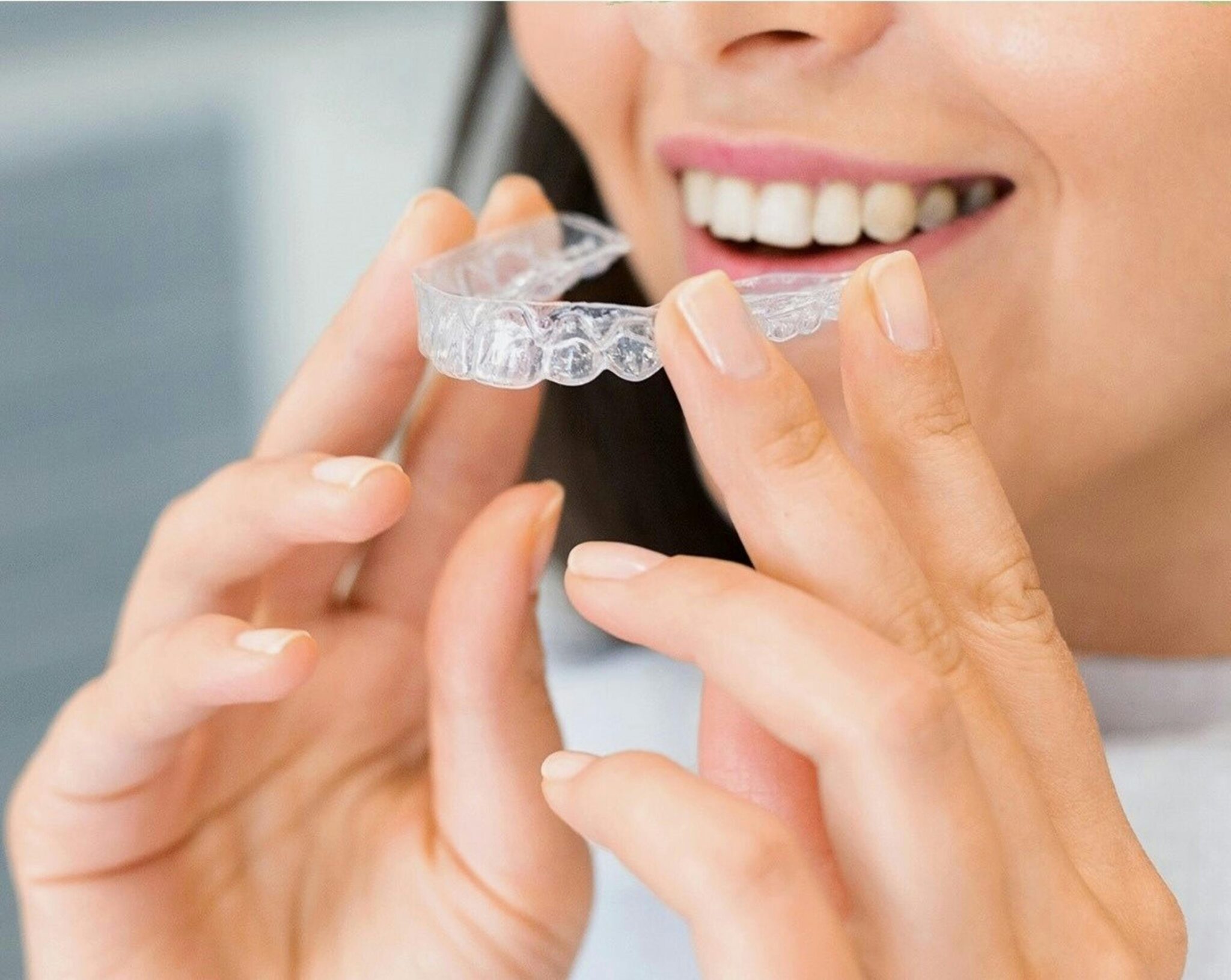
A small gap between teeth can be charming on one person and deeply annoying on another. That is the first thing worth saying, because the best treatment choice depends as much on your goals as it does on your bite. Some patients want the gap gone by next month. Others care more about preserving tooth structure, improving alignment, or avoiding repeat cosmetic work every few years. When people are deciding between Dental Bonding and Invisalign for closing small gaps, they are really deciding between two very different philosophies of care.
One option adds material to the teeth so they look closer together. The other moves the teeth themselves.
That difference sounds simple, but it affects cost, timing, maintenance, longevity, and the final result in ways that are easy to underestimate. A narrow space between the front teeth may look like a quick cosmetic issue in the mirror, yet the cause can be anything from natural tooth shape to tongue posture, gum changes, missing teeth, or a bite pattern that keeps pushing teeth apart. The right choice is rarely just about the gap size.
Two treatments, two very different jobs
Dental Bonding uses a tooth-colored composite resin that is shaped directly onto the enamel. In the case of a small gap, a dentist usually adds a little material to one or both teeth so the space disappears or becomes much less noticeable. It is conservative, relatively fast, and often completed in one visit. For the right case, it can look surprisingly natural.
Invisalign uses a series of clear aligners to shift teeth gradually. Instead of making teeth appear wider, it repositions them. If the space exists because the teeth are slightly flared, rotated, or spaced unevenly across the arch, aligners can address the underlying alignment problem rather than masking it.
Patients often walk in assuming these treatments are interchangeable because they both can make a gap disappear. Clinically, they are not interchangeable at all. A cosmetic patch and an orthodontic correction may end in a similar-looking smile photo, but the route there matters.
What causes the gap matters more than most people think
The same millimeter of space can call for completely different treatment depending on why it is there.
A true diastema, which is the classic gap between the two upper front teeth, may be tied to tooth size, the attachment of the frenum between the teeth, a mismatch between jaw size and tooth width, or habits that place pressure on the front teeth. In some adults, a gap appears or worsens over time because of gum disease or shifting caused by bite instability. In children and teenagers, some gaps close naturally as other teeth erupt, but that is not the same situation as an adult with stable dentition.
If your teeth are healthy, fairly straight, and simply too narrow in proportion to the available space, Dental Bonding can be a smart answer. If the teeth are angled outward, twisted, crowded elsewhere, or the midline is off, Invisalign usually makes more sense. This is where treatment planning separates good cosmetic work from work that looks acceptable for six months and odd for six years.
A common example is the patient with a small central gap and mild spacing near the lateral incisors. Bonding only the two central teeth can close the middle space, but it may leave the proportions bulky or make the central teeth look too wide compared with the laterals. Invisalign can redistribute space more evenly, sometimes reducing or eliminating the need for any restorative work. In other cases, aligners create a better foundation and a small amount of bonding afterward perfects the shape. That combined approach is often the most elegant solution, even if it is not the fastest.
When Dental Bonding is the better option
Dental Bonding shines when the problem is mostly one of shape rather than position. If your front teeth sit well in the arch, your bite is stable, and the gap is modest, bonding can be efficient and attractive. Many dentists can close a small anterior space in a single appointment with little or no drilling, which is a major draw for patients who want immediate change.
From a cosmetic standpoint, bonding also allows a dentist to fine-tune details that aligners cannot address on their own. Tooth width, edge symmetry, corner rounding, and tiny contour defects can all be adjusted chairside. For someone with peg laterals or naturally undersized incisors, adding composite may improve the smile more comprehensively than moving teeth alone.
It also tends to appeal to adults who do not want months of aligner wear, attachments on teeth, or retention protocols beyond what they already accept. There is a psychological difference between leaving the office with the gap gone that day and committing https://finnuafe726.urbanvellum.com/posts/dental-bonding-before-and-after-what-results-can-you-expect to a process that may take half a year or more.
That said, bonding is not magic. To close a gap, the dentist must widen the visible tooth shape. If the teeth already have ideal proportions, making them wider can create a blocky look. This is where experience matters. A skilled cosmetic dentist can use line angles, embrasure shaping, and subtle contouring to make teeth appear natural rather than puffy. A rushed or overly aggressive closure can look flat and obvious, especially under bright light.
When Invisalign tends to win
Invisalign is usually the stronger choice when spacing is part of a broader alignment issue. Teeth that are rotated, flared, unevenly spaced, or out of harmony with the bite respond better to movement than to added material. Orthodontics also preserves natural tooth dimensions, which is important if the teeth are already well proportioned.
For adults with several small gaps rather than one isolated space, aligners often produce a more balanced result. Instead of making a few teeth wider to camouflage spaces, Invisalign can distribute teeth properly across the arch. That often improves smile arc, contact points, and the way the upper and lower teeth meet.
There is another practical point that comes up in real consultations. Patients sometimes say they only care about the one gap in front, but when the teeth are moved into better alignment the whole smile changes in a good way. The gum line may look more even. Black triangles may be reduced or become more manageable. The profile of the teeth can appear less flared. These are subtle gains, but they matter.
Invisalign also has an advantage when the gap is likely to reopen unless the tooth position changes. If tongue thrust, bite pressure, or spacing across the arch is contributing to relapse, bonding alone may become a cycle of repair and replacement. Orthodontic correction is not immune to relapse either, but it addresses the mechanics more directly.
The speed question, and why fast is not always better
This is where Dental Bonding has an obvious edge. A small gap can often be closed in one visit, sometimes in under an hour for straightforward cases. If you have a wedding, speaking event, job interview, or photo session coming up, that speed is hard to ignore.
Invisalign is slower by design. Even minor spacing cases usually take several months, and more complex movements can take longer. Refinements are common. Retainers are mandatory afterward. If you are impatient, that can feel like a steep price to pay for a small cosmetic concern.
But speed should be judged alongside permanence and fit. Closing a gap instantly by making teeth wider is not necessarily a shortcut to the best result. If the space is a symptom of how the teeth sit, the quick fix may not age as gracefully. I have seen beautiful same-day closures that still look excellent years later, and I have seen cases where the added width becomes more noticeable over time because the patient’s eye adjusts and the proportions start to feel off.
The better question is not "Which is faster?" But "What are you solving, and how long do you want the solution to make sense?"
Cost, repairs, and the long view
Upfront, Dental Bonding is usually less expensive than Invisalign, especially for a single small gap. That is one reason it remains popular. For patients paying out of pocket, the lower entry cost can make treatment accessible.
The long-term math is more complicated. Bonding can chip, stain, wear, or lose polish, particularly on front teeth that absorb daily function and frequent exposure to coffee, tea, red wine, or tobacco. Some composite work lasts many years with good care, but touch-ups and eventual replacement are normal parts of the life cycle. The material is durable, not indestructible.
Invisalign often costs more at the start, but if the final alignment is stable and retainers are worn as directed, there may be less restorative maintenance. That does not make it cheaper in every case. It simply means the value calculation should include the years after treatment, not just the fee quoted on day one.
A patient in her thirties once described bonding to me as "buying the result" and Invisalign as "earning the result." That was not a scientific comparison, but it captured the emotional reality well. Bonding gives immediate visible payoff. Invisalign asks for discipline first and delivers later.
Natural appearance depends on proportions, not just color
People often focus on whether bonded resin will match the tooth shade, but shape is usually the bigger issue. A perfect shade match with poor width proportions still looks wrong. The front teeth have visual rules, even if most people cannot articulate them. Their width-to-height ratio, the way light reflects off line angles, and the shape of the incisal edges all influence whether the smile looks believable.
With Dental Bonding, the dentist is sculpting those proportions by hand. In expert hands, the result can be nearly undetectable. In average hands, the closure may be serviceable but slightly overbuilt. This is one reason before-and-after photos matter so much when choosing a provider. Look for cases similar to yours, especially very small gap closures. Large veneer makeovers do not prove finesse with conservative composite.
Invisalign keeps the native tooth anatomy, which helps maintain a natural look if the teeth are already attractive. But aligners alone cannot make a small, triangular, or worn tooth look fuller. If the gap exists partly because the tooth shape is undersized, movement may close the space in a way that still leaves the smile looking incomplete. In those cases, a little bonding after orthodontics often produces the most polished outcome.
Bite, retention, and the risk of relapse
No honest discussion of gap closure should ignore retention. Teeth move because forces act on them, and those forces do not disappear just because treatment ended.
After Invisalign, retainers are part of the deal. Skip them, and spaces can return. The degree varies from person to person, but the risk is real. Many adults are surprised by how quickly minor spacing can recur when retainers are not worn consistently.
Bonding does not eliminate movement either. If the teeth naturally want to separate, composite added between them does not always stop that pressure. Sometimes the bonding remains intact while the surrounding teeth shift. Sometimes the bonding chips or contacts open in awkward ways. If the original cause of the gap was not addressed, the aesthetic fix may have to fight biology.
This is where a careful exam matters. If there are signs of tongue thrust, unstable bite contacts, or periodontal issues, treating only the visible space is incomplete care. A nice cosmetic result should not come at the expense of ignoring the reason the gap formed.
Everyday maintenance and lifestyle fit
The best treatment is one you can live with comfortably.
Bonding demands some common-sense habits. If you bite fingernails, chew ice, tear open packages with your teeth, or clench heavily, the risk of chipping goes up. Composite also tends to lose surface luster sooner than enamel, so occasional polishing may be needed to keep it looking fresh. Oral hygiene remains straightforward, but floss technique around contact areas should be careful.
Invisalign requires compliance. Aligners need to be worn most of the day, removed for meals and many drinks, and cleaned regularly. Patients who snack constantly or dislike structured routines often find the process more irritating than they expected. If you know you will not wear the trays enough, the treatment will not reward good intentions.
One of the simplest clinical truths is this: the "better" treatment on paper fails when it does not fit the patient’s habits. A beautifully designed Invisalign plan stalls if trays stay in the case. Flawless bonding becomes a maintenance headache if the patient treats front teeth like tools.
A practical side-by-side view
| Consideration | Dental Bonding | Invisalign | |---|---|---| | Main approach | Adds composite to close space visually | Moves teeth to close space physically | | Typical timing | Often one visit | Usually several months | | Best for | Small gaps with good tooth position and shape issues | Gaps related to alignment, spacing pattern, or bite | | Upfront cost | Usually lower | Usually higher | | Maintenance focus | Repairs, polishing, stain control | Retainer wear after treatment |
That table captures the broad picture, but real cases often live in the gray areas between those categories.
Cases that often get misjudged
A few patterns come up repeatedly in practice. The first is the patient with a tiny gap and perfect alignment who is an excellent candidate for bonding, but gets steered toward orthodontics because it sounds more comprehensive. Comprehensive is not always better. If the teeth are already where they should be, moving them may add time and cost without adding much value.
The second is the patient with multiple subtle spacing issues who wants only the front gap patched. This is where Dental Bonding can become a compromise that looks acceptable up close but not fully harmonious in motion or in photographs. The smile may lose finesse because the widths no longer relate properly.
The third is the patient with gum disease or drifting teeth. Cosmetic closure in that situation can be risky if the periodontal condition is not stabilized first. A gap that appeared recently in adulthood deserves a careful evaluation, because sudden spacing changes are not just an aesthetic issue.
The fourth is the patient who really needs both. This is more common than many assume. Invisalign can place the teeth correctly, then bonding can refine shape, close tiny residual asymmetries, or build up a naturally narrow tooth. When done conservatively, this sequence often delivers the most natural result with the least unnecessary material.
Questions worth asking at your consultation
Ask what is causing the gap, not just how it can be closed. Ask whether your teeth are already ideally proportioned. Ask how likely the space is to reopen with each option. Ask to see similar cases treated with bonding, with aligners, and with a combination approach. Those answers reveal far more than a generic treatment menu.
It also helps to ask what compromises come with each path. A good dentist or orthodontist should be able to say, plainly, something like this: if we use bonding, your central incisors will be slightly wider, but still within a natural range. Or, if we use Invisalign, treatment will take about six months and you may still benefit from a tiny amount of bonding at the end. Clarity like that is a sign of sound judgment.
Which choice tends to be right for most small gaps?
There is no universal winner, but there is a reliable principle. If the gap is isolated, the teeth are otherwise straight, and the proportions can absorb a little extra width gracefully, Dental Bonding is often the smartest and most efficient option. If the gap reflects tooth position, spacing elsewhere, or bite imbalance, Invisalign is usually the more biologically sensible treatment.
For many adults, the decision comes down to whether they want a cosmetic correction or an orthodontic correction. Neither is inherently superior. They answer different problems.
The strongest results come from resisting the urge to treat every gap as a simple cosmetic nuisance. A small space can be small only in size. In treatment planning, it can carry much bigger implications. When the diagnosis is right, both Dental Bonding and Invisalign can produce excellent outcomes. When the diagnosis is rushed, even beautiful dentistry can solve the wrong problem.
Toothworks of Bakersfield, Dentist and Orthodontist
Address: 1030 H St #1, Bakersfield, CA 93304
Phone number: +16613239421
FAQ About Dental Bonding
How long does dental bonding last?
Dental bonding typically lasts between 3 and 10 years (averaging about 5 to 8 years) before it needs a touch-up or replacement. Its lifespan depends heavily on your daily habits, where the bonding is placed in your mouth, and how well you care for your teeth.
How expensive is bonding a tooth?
Dental bonding typically costs between $100 and $600 per tooth, with a national average of about $431 per tooth.
What are the downsides of dental bonding?
Dental bonding has several drawbacks, including lower durability, a shorter lifespan, and a tendency to stain compared to alternatives like porcelain veneers.